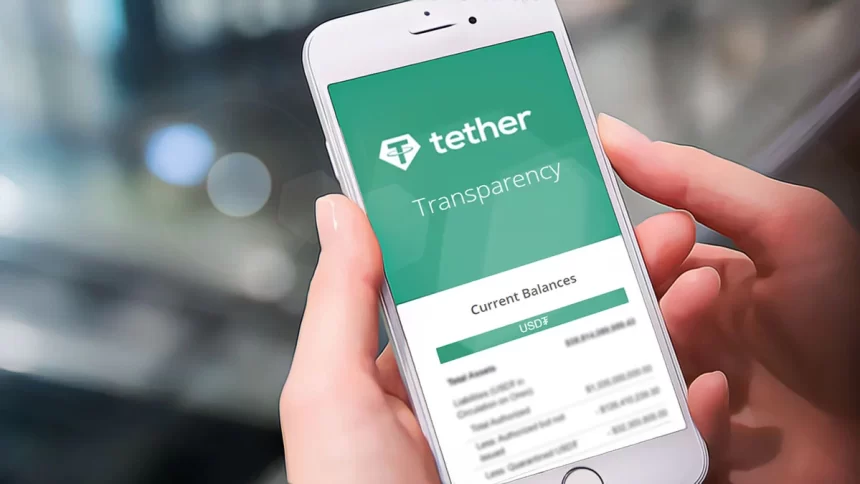
Bolivia is contemplating a significant shift in its financial landscape. The government is assessing the potential of incorporating Tether‘s USDT as an officially recognized payment method, standing alongside its national currency, the boliviano, and the US dollar. This initiative could reshape financial transactions across the nation.
Can USDT Integrate into Bolivia’s Financial System?
Officials are diligently examining whether USDT can fit into Bolivia’s existing financial system. Economy and Public Finance Minister Jose Gabriel Espinoza disclosed that authorities are exploring how USDT might handle everyday financial activities such as transactions, savings, and payments, akin to the roles played by traditional currencies.
What Sparks Interest in Stablecoins?
A pressing currency crisis marked by the dwindling value of natural gas exports has spurred a scarcity of US dollars in Bolivia. This economic challenge, coupled with the termination of a fixed exchange rate, has led citizens to seek refuge in stablecoins. USDT’s reliability as a dollar-pegged currency has encouraged its adoption for purchases like groceries.
Bolivia’s financial infrastructure is already inching towards stablecoin integration. Key local banks, Banco Unión and Banco FIE, have begun to embrace USDT-related services, indicating potential for further stablecoin growth within the banking sector.
Bolivia’s administration had earlier withdrawn a ban on cryptocurrencies, opening doors to digital asset adoption in 2024. In a move to allow crypto-based financial products, President Rodrigo Paz Pereira’s administration is laying the groundwork for legitimizing digital transactions within formal channels.
- Implementation of USDT could resolve currency instability by offering a trustworthy medium of value.
- Formal adoption may lower trading costs compared to unofficial dollar exchanges.
- Careful regulatory measures are essential to prevent illicit financial activities.
Bolivia has become a pivotal player in the Latin American cryptocurrency market. Should the government officially endorse USDT, it will be a groundbreaking move, signifying the harmonization of stablecoins with national payment systems, amidst global currency fluctuations. Such a decision might serve as a beacon for neighboring nations to follow suit in adopting digital currencies.