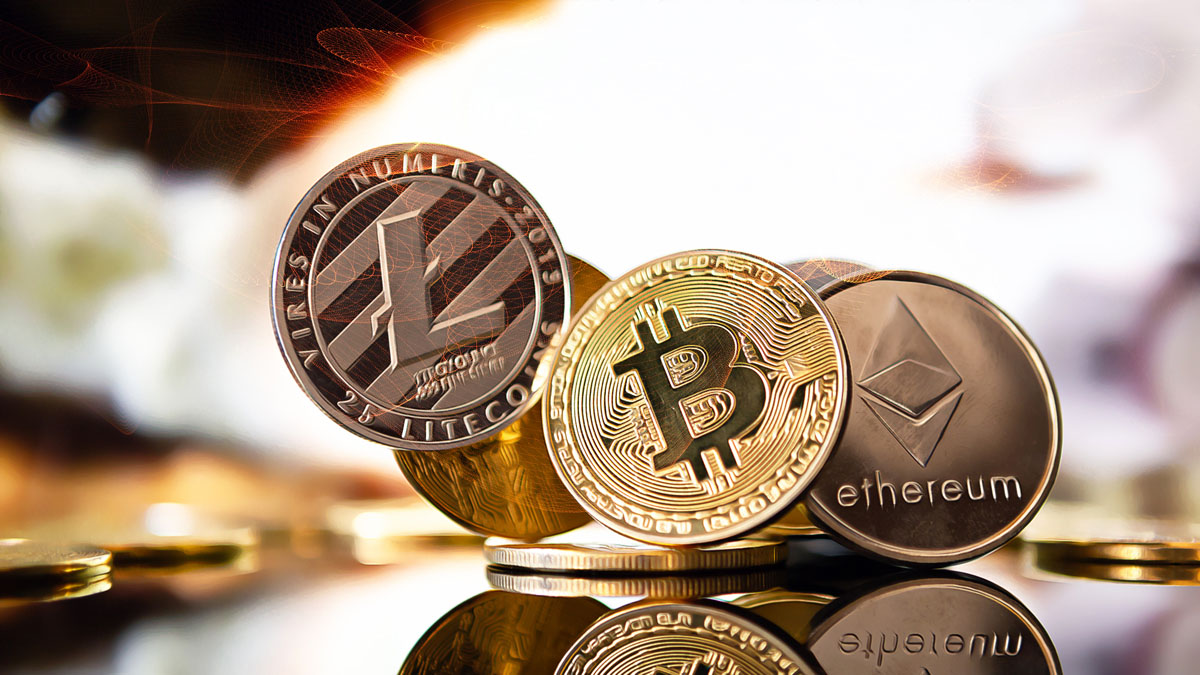
In a turbulent economic landscape, Bitcoin‘s price has dropped to $76,800, coinciding with the most severe tariffs seen in a century. The escalating global trade dispute is threatening to create chaos in the markets, potentially surpassing the financial fallout of the 2020 pandemic. As a result, cryptocurrencies are experiencing diminished value, registering daily losses exceeding 5% as U.S. markets struggle.
What Do EU Tariffs Mean for Global Trade?
Initiated by Trump, tariffs have become increasingly complex, especially with China’s unyielding stance. Recently, discussions between Spain and EU officials aimed at strengthening trade relations with China ignited a warning from the U.S. Treasury Secretary, who articulated that “Spain would be cutting its own throat” by pursuing such strategies.
How is the European Union Responding?
The European Union has aligned itself with Canada and China in implementing retaliatory measures against the U.S., marking the escalation into a global trade war. This situation is pressing the U.S. towards reconsidering its aggressive trade policies.
The EU, comprising 27 nations, is currently facing a 25% import tariff on key sectors including steel, aluminum, and automobiles, with an additional 20% duty on a wide range of other products. This will lead to an estimated €21 billion in tariffs, with initial implementations scheduled for mid-April.
Could the U.S. introduce further tariffs in reaction to the EU’s actions? Should it echo its approach to China, the EU may respond with heightened tariffs, prompting an ongoing cycle of retaliatory measures.
China’s influence on the cryptocurrency market has been considerable, and the initiation of trade tensions with the EU could exacerbate declines, necessitating vigilance among market players.

- Bitcoin faces significant price pressures due to trade tensions.
- U.S. tariffs are leading to a cascading effect on global markets.
- The EU is responding with its own set of tariffs, escalating tensions.
- Future U.S. tariffs could trigger further retaliations from the EU.
- Investors must remain cautious as market volatility increases.
As the global trade crisis deepens, the interconnectedness of economies suggests that the trajectory of cryptocurrencies will be heavily influenced by ongoing developments in trade relations, particularly between major players like the U.S., EU, and China.