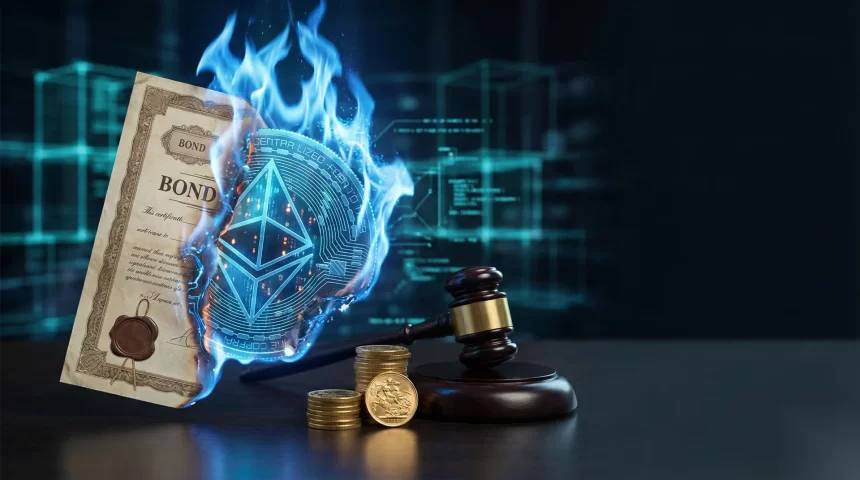
The Securities and Exchange Commission’s (SEC) recent approval of Nasdaq’s proposal to incorporate tokenized securities sets a new precedent in the fusion of traditional finance and blockchain technology. This pivotal development highlights the increasing integration of time-honored financial systems with modern digital advancements, promising a refreshed dimension for U.S. stock markets.
What Fuels the Tokenization Shift?
Nasdaq’s strategy is bolstered by the Depository Trust Company (DTC) overseeing a pilot program. This framework allows for the execution of clearing and settlement for token-related transactions while maintaining the efficacy of existing processes. The SEC ratified this proposition following Nasdaq’s application submission in September, cementing a regulatory-compliant pathway for this innovative interface.
Do Tokenized and Traditional Shares Differ?
No, investor rights remain intact in the digitized format. Participants utilizing Nasdaq intermediaries can execute trades via blockchain-enabled tokens, which will coexist with conventional stocks on the same trading order book at equal pricing. This method ensures tokenized shares uphold the same identification as traditional counterparts, safeguarding legal rights and entitlements.
To maintain continuity within this evolving landscape, rigorous standards for investor protection are preserved. Systems for monitoring, data exchange, and settlement periods align with current financial protocols to guarantee consistent oversight and functionality.
Tokenization allows digital representation and trading of traditional assets like shares and bonds, facilitating swifter transactions and constant access to markets. This breakthrough is poised to unlock unprecedented possibilities within the financial sector.
U.S. exchanges are increasingly exploring tokenized applications. Nasdaq is actively developing a platform conducive to issuing blockchain-variant shares for public companies, partnering with Kraken to support global tokenized stock distribution. Intercontinental Exchange, owner of the NYSE, invests similarly in the crypto sphere, expanding its tokenized equity and futures offerings.
Tokenization may offer market participants enhanced liquidity, access, and transaction speed. However, regulatory adherence and market integrity remain critical as these technological shifts advance.
As Nasdaq exemplifies the burgeoning synergy between conventional financial markets and innovation, it signifies a transformative chapter for stakeholders.
“This regulatory approval represents a significant step forward for digital asset integration,” stated Nasdaq, emphasizing the progressive vision shared by financial institutions and innovators alike.