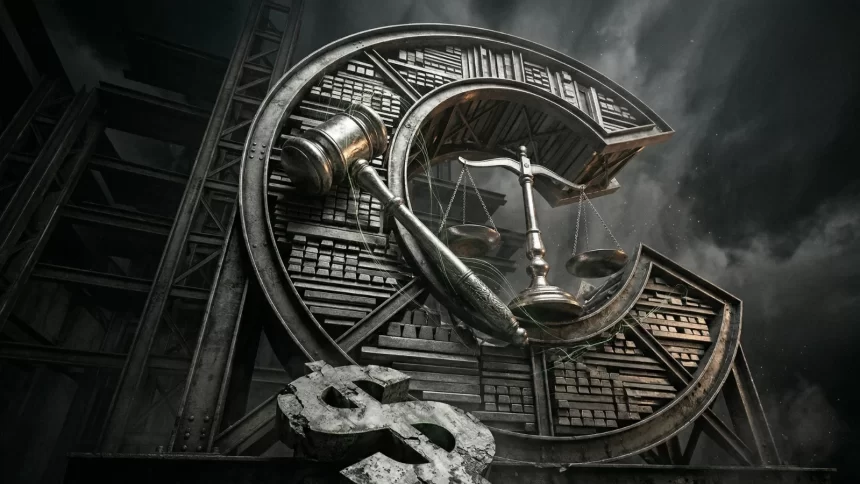
In a significant legal move, a lawsuit introduced in the U.S. District Court for the Southern District of New York is demanding the redistribution of $344 million worth of USDT. These funds, previously frozen by Tether, are sought after to fulfill compensation orders resulting from terrorist acts linked to Iran. Charles Gerstein, the principal attorney, is advocating for payment of long-overdue claims leveraging cryptocurrency mechanisms.
What Is at Stake with Tether?
Tether, which manages the stablecoin USDT, froze access to funds in two wallets after the U.S. Treasury identified connections between these wallets and Iran’s Islamic Revolutionary Guard Corps. Now, plaintiffs seek court approval to redirect these funds to a wallet under their attorneys’ management. The creditors include survivors and families affected by a Hamas suicide bombing in 1997, which Iran is accused of supporting. Although courts awarded them substantial damages, collecting these funds has proved elusive for years.
How Does USDT Control Stack Up Legally?
Differing from decentralized digital currencies like Bitcoin or Ethereum, USDT has operational controls allowing Tether to freeze wallets and move balances. This authority has been exercised in compliance with past sanctions and could now facilitate the transfer to victims. Legal documents highlight the clarity of this case compared to others, such as a recent North Korea-linked Arbitrum case. In this instance, OFAC has explicitly marked the frozen assets as part of a terrorism financing operation.
Gerstein’s legal stance hinges on existing laws which permit court-directed distribution of assets tied to state-sponsored terror. The technical capabilities of Tether to redirect these assets underscore its control over the stablecoin’s network.
The case file asserts, “If crypto infrastructure can freeze sanctioned digital assets, then courts are able to issue orders to transfer those assets to victims.” This principle is pivotal to Gerstein’s argument.
As this lawsuit unfolds, it presents a critical test case delineating the boundaries of legal and technical control over cryptocurrency in the United States. It examines how court mandates can be executed, highlighting the interplay between crypto regulations and judicial oversight.
This landmark case not only addresses financial compensation for terrorism victims but also challenges the existing framework and capabilities of cryptocurrency governance. Key points include:

• Tether’s potential role in facilitating asset redistribution through its administrative powers.
• The utilization of crypto infrastructure to fulfill legal obligations for compensating victims.
• The implications of a successful legal resolution for future cases involving frozen digital assets linked to sanctions.
This courtroom battle over frozen USDT may potentially shape future intersections of legal and digital financial systems. The outcome could redefine how cryptocurrency can be leveraged to achieve justice and compensation under legal directives.