Mastercard is broadening its settlement capabilities by supporting payments beyond typical business hours to include weekends and holidays. This modification to the financial giant’s operations is anticipated to move Mastercard closer to achieving around-the-clock global transaction capability. A significant aspect of this development is integrating regulated stablecoins alongside traditional currencies within its network.
Frequent Settlements Reshape Liquidity Management
This updated approach aims at offering banks and payment processors enhanced options for liquidity management. Financial institutions can now manage their obligations more frequently, independent of standard banking schedules. This initiative is seen as a significant move towards establishing an uninterrupted settlement framework across international markets.
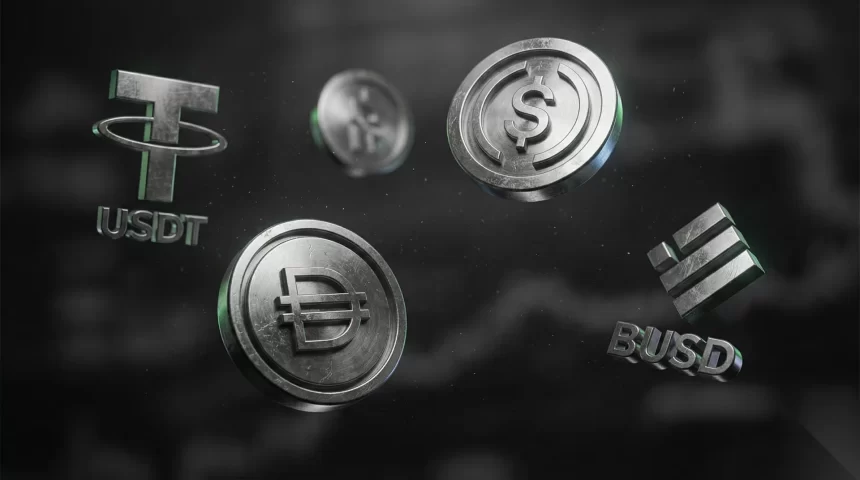
Among the digital assets Mastercard will incorporate is Circle’s USDC stablecoin, which has already been involved in pilot on-chain settlements across chosen markets. Mastercard’s system will also accommodate other digital currencies like PayPal USD (PYUSD), USDG, USDP, and RLUSD, native to the Ripple ecosystem.
Raj Dhamodharan, a Mastercard executive, emphasized, “The next stage for stablecoins is real-world utility, especially in settlement processes where timing and liquidity are of critical importance.”
A Diverse Network Approach
Stablecoins can operate across various blockchain platforms, such as XRP Ledger, Ethereum, Solana, Polygon, Arbitrum, and Base, under Mastercard’s new strategy. This multi-network strategy is designed to reduce reliance on any one system, thereby enhancing interoperability across diverse financial architectures.
Initial expansions in partnerships involve institutions like ARQ, CBW Bank, Cross River, Lead Bank, and Nuvei. These entities serve as intermediaries bridging conventional banking processes with blockchain-enabled payments. The rollout commences in the US and Latin America, with global integration expected by 2026.
- USA and Latin America will be initial target markets.
- Mastercard is leveraging its BitLicense approval for further expansion.
- Integration with Ripple’s partnership network is deepened.
- RLUSD increasingly influences the Turkish market landscape.
These changes signal a shift in perception of stablecoins from niche products to essential tools for everyday financial activities. The inclusion of assets like RLUSD showcases a significant evolution in utility and acceptance for widespread financial applications, marking a milestone in the global payments landscape.