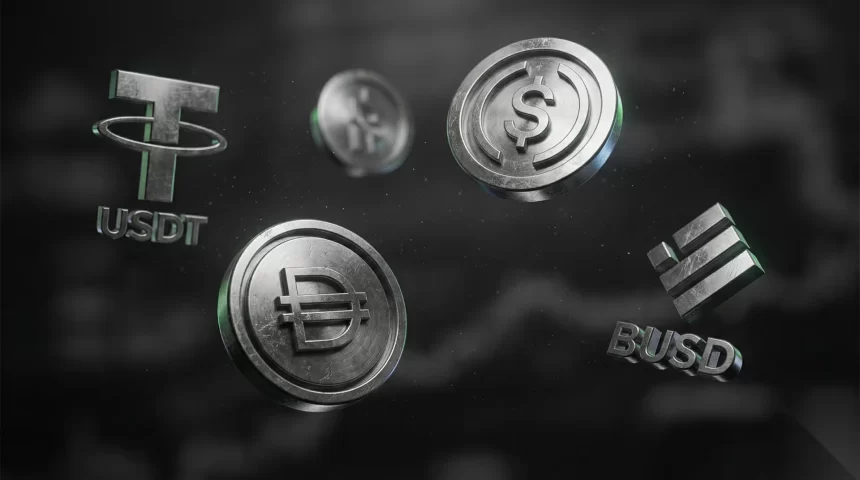
With a significant move towards establishing a more regulated financial environment, the U.S. Treasury has announced plans to require payment stablecoin issuers to obtain licenses by 2027. This announcement has created ripples across the digital currency landscape, as stakeholders anticipate its impact on the market and operations. Entities that issue stablecoins will soon need to navigate new regulations to remain active in the American financial ecosystem.
What Prompted This Regulatory Measure?
Rising concerns over the stability and security of digital currencies have triggered the Treasury’s decision. The aim is to protect consumers and ensure a level playing field among issuers. Current gaps in regulatory frameworks have been identified as potential risks to financial stability, prompting authorities to enforce stricter oversight.
Impact of New Rules on International Issuers?
Foreign issuers are also affected. They are required to meet stringent standards and register with the Office of the Comptroller of the Currency (OCC) to legally offer their services in the U.S. This move intends to align international practices with local regulations, thus promoting a cohesive financial environment.
“This is a crucial step towards ensuring that digital currencies operate within a safe and regulated framework,” commented a Treasury spokesperson.
The regulation seeks to address several key challenges in the digital currency sector, including fraud prevention, market integrity, and consumer protection. These aspects underscore the authority’s commitment to creating a robust regulatory infrastructure that instills confidence among users and investors alike.
Outlined in the new regulatory framework:
- Licensure for all stablecoin issuers operating in the U.S.
- Foreign issuers must comply with U.S. standards and register with U.S. authorities.
- Enhanced measures for consumer protection and market fairness.
The Treasury’s initiative is set to reshape the digital currency sector by introducing these new licensing requirements. Stakeholders are now looking to adapt and integrate these regulations into their operational models, ensuring that they stay compliant and competitive in the evolving market landscape. These changes are poised to redefine how both domestic and international stablecoin issuers will function in the coming years, emphasizing the significance of regulatory alignment in digital finance.