In the rapidly evolving blockchain industry, Tron has asserted itself as a leader in generating substantial revenue, surpassing established networks such as Ethereum, Polygon, and Solana on a daily and monthly basis. Recent analyses underscore Tron’s robust fee generation, primarily propelled by stablecoin transactions, thereby establishing it as a pivotal player in the global blockchain ecosystem and intensifying the competitive dynamics among top platforms.
How Has Tron Sustained Strong Growth?
The recent performance of Tron is noteworthy, with it reporting $947,419 in revenue over a 24-hour period, vastly overshadowing Base’s $97,720 and Ethereum’s $77,565 during the same timeframe. For the week, Tron amassed $5.42 million, significantly outstripping Polygon’s $632,000 and Solana’s $374,000. Over a 30-day span, Tron’s revenue notably reached $24.96 million, further highlighting its dominance over competitors such as Polygon, Base, and Solana.
What Fuels Tron’s Revenue and Network Dominance?
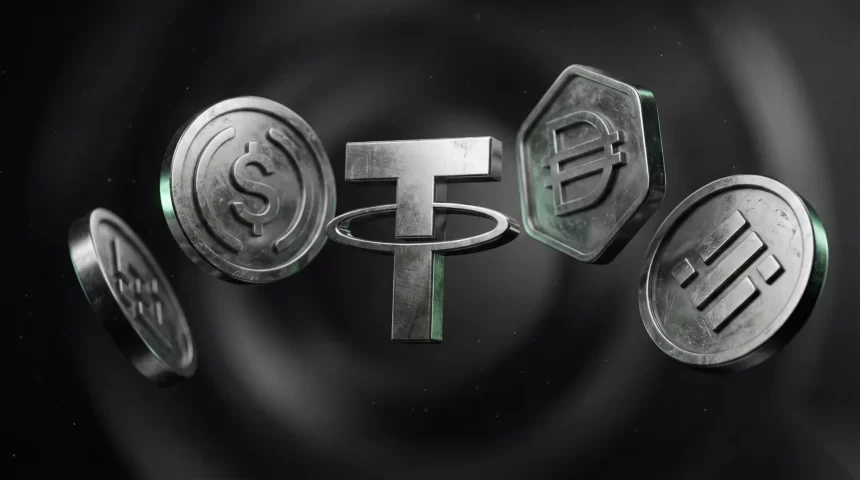
Launched by entrepreneur Justin Sun in 2017, Tron is built to support a decentralized internet infrastructure, focusing on throughput and cost-efficient transactions. A key factor behind the revenue spike is Tron’s role as a primary settlement layer for stablecoin transactions, especially for Tether (USDT). These transactions are crucial for areas like payments, remittances, and liquidity, contributing significantly to Tron’s continued prosperity.
The network’s focus on an efficient and economical transfer system is paying dividends, attracting various stakeholders such as payment service providers and remittance operators seeking swift and inexpensive solutions. In contrast, competitors may emphasize decentralization and sophisticated smart contracts, yet Tron’s focus on efficiency and low fees remains its key differentiator.
With revenue figures continually eclipsing those of other networks, Tron reinforces its essential role in enabling cross-border and high-volume crypto transactions at scale.
Current Challenges and Opportunities for TRX
The TRX token, native to Tron, has recently been navigating downward price pressures after reaching highs near $0.35–$0.36. Nevertheless, it is showing signs of recovery, having regained its 50-day moving average. This trend suggests potential stabilization amid an accumulation phase, with price movements primarily occurring between $0.253–$0.250.
The immediate challenge resides in surpassing the 200-day moving average, which currently acts as a resistance level. A breakthrough might indicate a trend reversal, with the relative strength index (RSI) showing potential shifts in market interest as traders attentively watch for breakout opportunities.
Tron’s remarkable revenue achievements outpace those of competitors in multiple timelines, driven by its capacity to accommodate high-scale stablecoin transactions, anchoring its sustained rapid growth in fee generation.